Video Card BIOS History
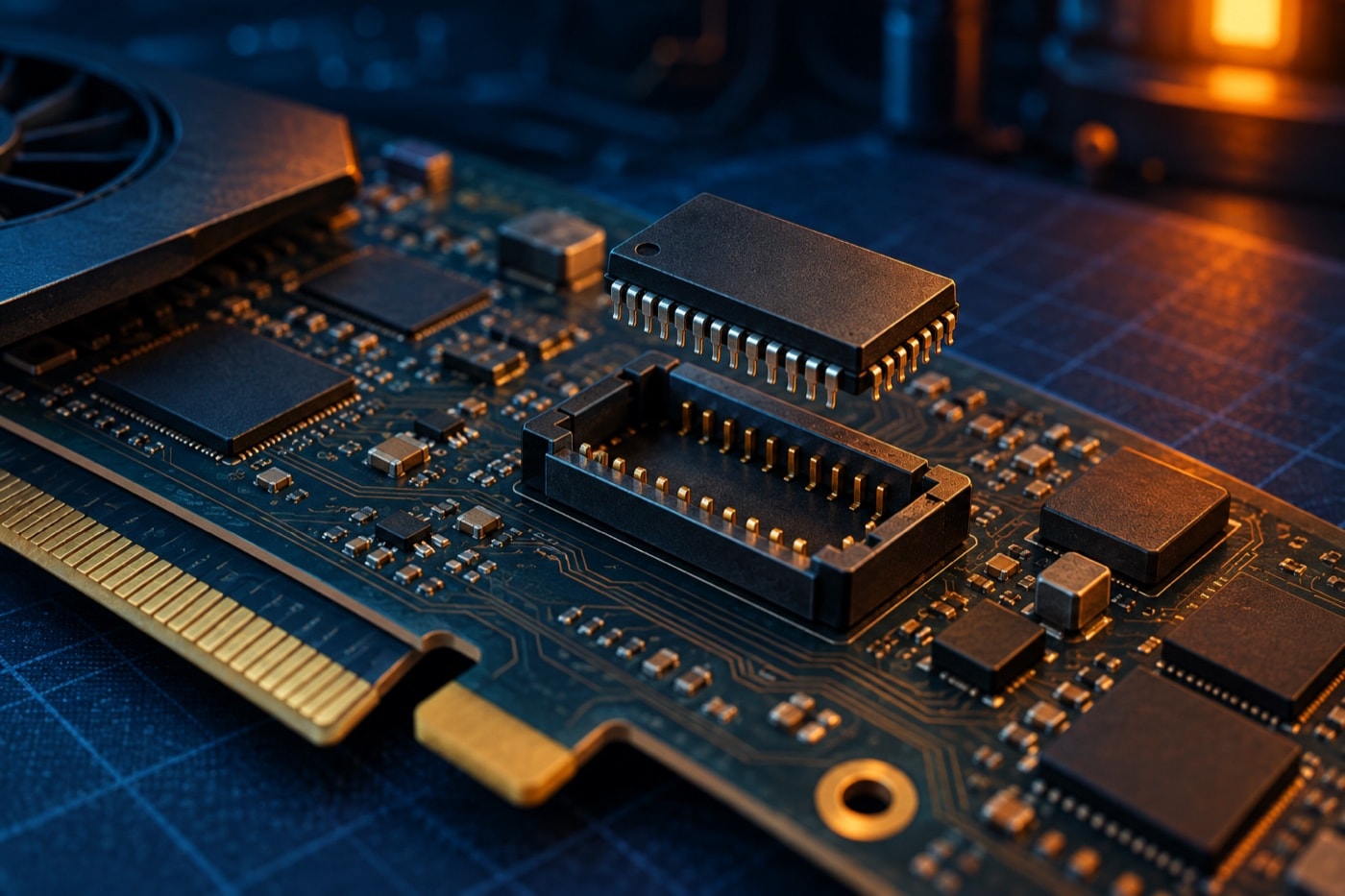
Video-card BIOS coverage included factory and modified images along with flash applications. Enthusiasts visited the section for video-card BIOS images and flash applications. This page does not provide firmware, flash software, mirrors, procedures, or instructions.
Firmware categories
In 2003, the material was divided by graphics family and task. Categories included NVIDIA GeForce BIOS files and NVIDIA flash applications, though no files were posted at that moment. Matrox G-series material had its own branch. ATi Radeon material included Warp11 firmware coverage and flash applications. 3DChipset identified the vendor and family first, then separated firmware details from the tools used to act on them.
Firmware attracted enthusiasts because settings that lived below the operating system could shape how a board identified itself and initialized. Modified BIOS images were specifically associated with changes to video-card speed. That prospect also carried a much higher failure cost than an ordinary control-panel setting. A driver could usually be replaced from the operating system; a failed firmware change could prevent a board from starting normally.
Firmware safety and availability
Old binaries are not necessarily safe or suitable for present use. Board revisions can share a retail name while using different memory layouts or designs, and old utilities may assume obsolete operating-system behavior. An unidentified binary has no trustworthy chain of custody.
No flashing sequence, BIOS image or flashing tool is provided. Such experimentation was part of enthusiast culture, but it is not an action a modern reader should perform.
Reading BIOS records as history
Even without a binary, an index can answer useful questions. It shows which vendors drew enough attention to deserve their own branches. It shows that original and modified images were discussed side by side. It reveals the relationship among firmware, clock settings, warranty risk, and the desire to extract more flexibility from a graphics card.
The safest use of this material is as a guide to firmware terminology. The Warp11 history explains that named branch without unsupported details. The utility reference covers less permanent forms of tweaking, while the community history shows how BIOS questions sat beside benchmarking and overclocking discussions.
Firmware safety warning
BIOS modification can violate a video-card warranty or cause damage. No firmware action is invited here; research an old board through documentation and preservation-oriented sources, never as operational support.
Why documentation still matters
Firmware history can clarify why two boards carrying the same graphics processor did not always behave identically. Vendors selected memory parts, clock values, display connectors, cooling, and board layouts, then encoded assumptions about that configuration into a particular release. A filename alone rarely communicated those dependencies, which made casual swapping especially unsafe.
The vocabulary and historical relationships are informative, but no procedures are provided. It can help a reader interpret an old review, identify why enthusiasts discussed a given board variant, or understand the risk behind a period news item. It cannot establish that an image belongs on a card, and it provides no route to obtain or apply one.